
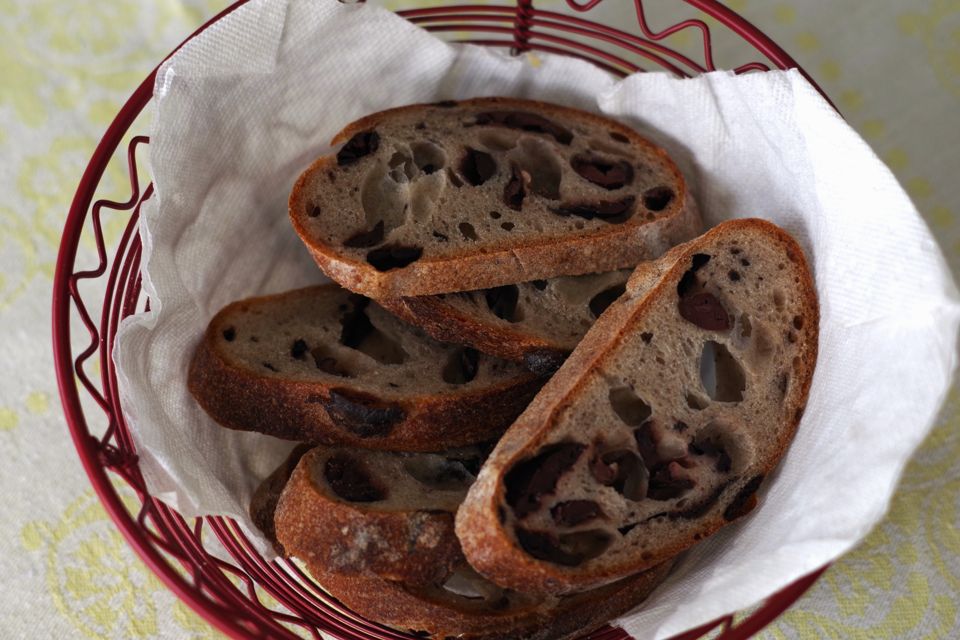
I am finally back to some bread baking recipes. There is nothing like baking your own bread! Comparatively speaking nothing industrially made and store bought comes even remotely close to what I can bake at home! And especially when it comes to two key measures that count: ingredient quality and taste! Even if you are lucky to live nearby some of the artisan bakeries, that are rare and few these days in most places, you may occasionally enjoy the loaf, but usually the cost is so prohibitively high that eventually it will keep you away. So here we are why not simply bake it ourselves? It is for the most part fairly simple process, but requires some learning and practice, no different than anything else. It is up to you how far you want to push it, but it’s within your reach to be able to bake a bread you would be proud of! Nothing beats aroma of a fresh bake permeating the air! It is so comforting!
When it comes to raising agent my preference goes to a sourdough. It is for its taste and not so unimportant health benefits such as: digestibility, lower glycemic index and improved nutrient absorption. I have been baking sourdough breads for a long time. At first I began with use of liquid rye starter. It is the simplest and easiest to develop form of wild yeast starter. Few years back I made a blog post on required process of making this starter. Over the years my preference and taste shifted towards Italian stiff starter called Lievito Madre (Mother Yeast). This kind of starter is generally milder and less acidic then liquid starter dominated by sour flavour. Lievito Madre is generally ideal for baking sweeter breads and enriched doughs (Panettone) while liquid starter is more geared towards sour rustic breads. Couple of years ago as I got on my quest of baking Panettone I developed my first Italian stiff starter. That is what got me into the world of stiff starters. The most notable difference between two starters is that the stiff starter is with low hydration (mine is 44%) while liquid starters are with high hydration (100%).
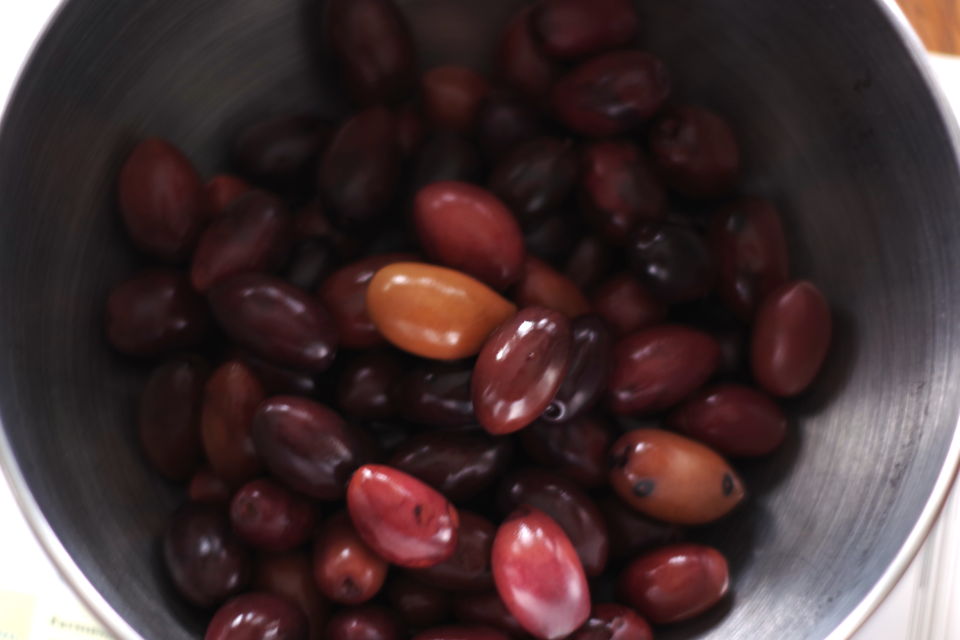
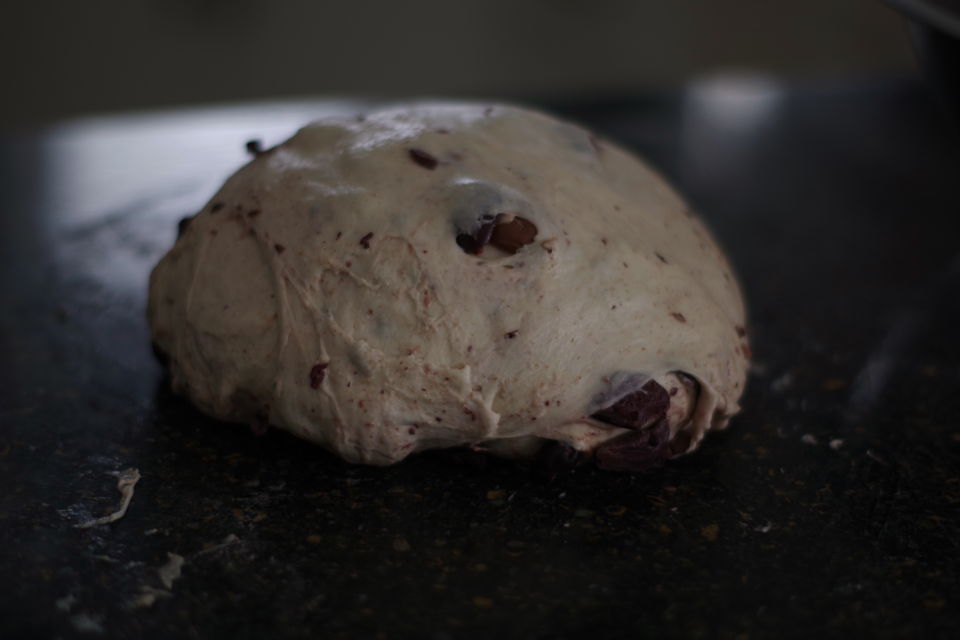
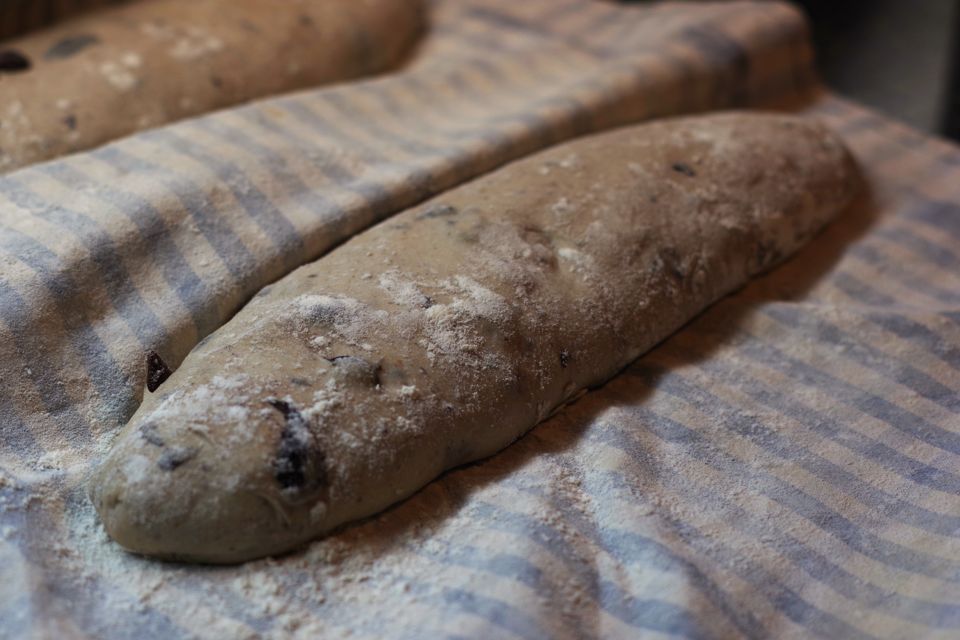
Today’s recipe is from one of my favorite bread baking books: Artisan Baking Across America by Maggie Glezer. It is a straight forward recipe, but as it is norm with artisan baking: it requires planning and time. From the beginning to the end the whole process takes about 27 hours, however there is only about 20 minutes of active work!
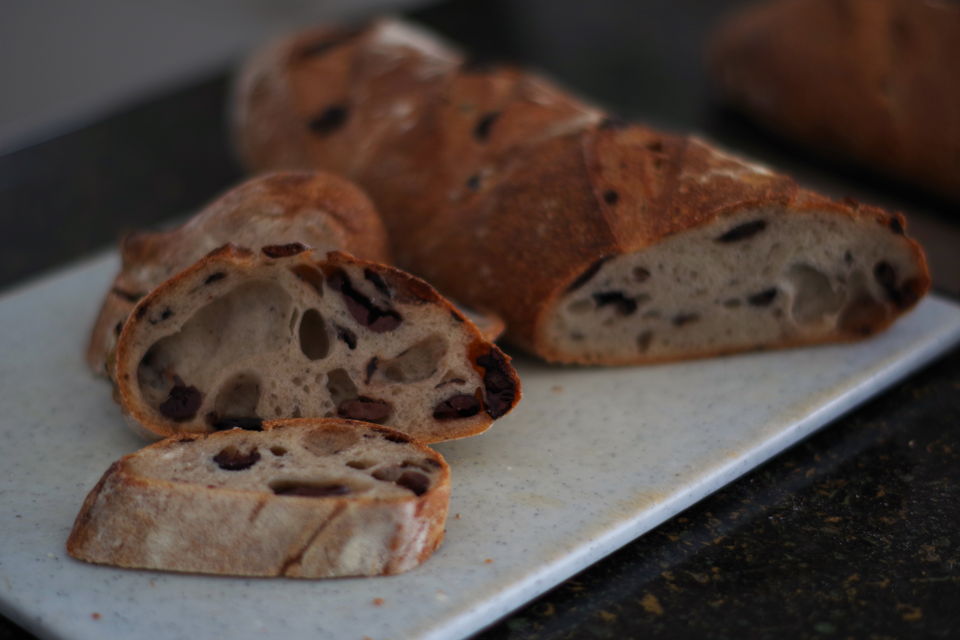
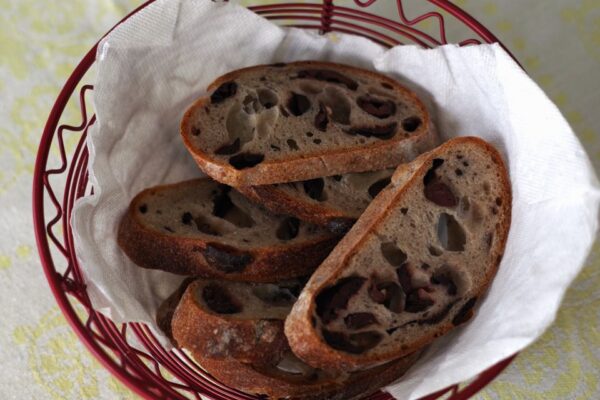
I love this bread as a side to fried eggs or stuffed peppers, sour cabbage rolls and many other dishes, but most often I enjoy it just simply with a good quality butter. Delicious!
| Prep Time | 20 min |
| Cook Time | 45 min |
| Passive Time | 27 hr |
| Servings |
loaves
|
- 25 g mature stiff sourdough starter
- 115 g filtered water lukewarm
- 115 g unbleached bread flour organic
- 320 g filtered water lukewarm
- Fermented levain from Day 1
- 500 g unbleached bread flour organic
- 30 g whole rye flour organic
- 14 g fine sea salt
- 285 g Kalamata olives 225g pitted
Ingredients
Day 1
Day 2
|
|
- 10:00 pm Dissolve stiff sourdough starter in a small bowl.
- Add flour and mix with spoon until batterlike and smooth. Cover the bowl with a clingwrap and let it ferment overnight for 12 hours, or until fully risen and started to sink in the middle. Note: Bowl should be at least 3 times the volume of the mixture it contains
- 9:00 am Pit the olives.
- 10:00 am Add part of water to a bowl with fermented levain and stir with spoon until loosened up and dissolved.
- In a large mixing bowl combine the flours. Add dissolved fermented levain and remaining water, stir with plastic scraper or hand until forming rough dough.
- Turn the dough onto unfloured counter and knead until the dough is very smooth and shiny, about 10 minutes. Use a windowpane test to confirm sufficient gluten development.
- Sprinkle the salt onto the dough and knead until the salt is fully dissolved.
- Gently knead pitted olives into the dough until evenly distributed. You want the bread at the end to look marbled purple rather than completely purple. Note: You might want to turn the dough back into the bowl when olives are added and knead it in the bowl until the most of the olives are incorporated. Turn the dough onto the counter to complete the kneading.
- 10:30 am Place the dough into a container at least 3 times its size, cover the container tightly with plastic wrap. Let it ferment at 24 ºC (75ºF), until nearly doubled, about 3 hours.
- Turn the dough onto a counter and stretch and fold in 20 minutes intervals during the first hour of fermenting. That means at 20, 40 and 60 minutes. Leave the dough undisturbed the remaining time.
- 1:30 pm Turn the dough onto a lightly floured counter, cut it in half. Gently round each piece, use more flour if needed. Loosely cover with plastic wrap and let them rest for 15-20 minutes.
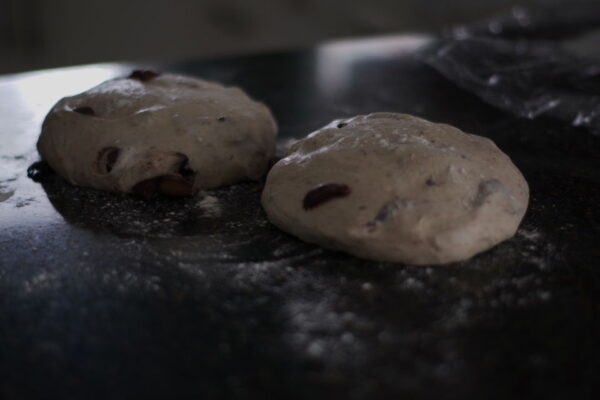
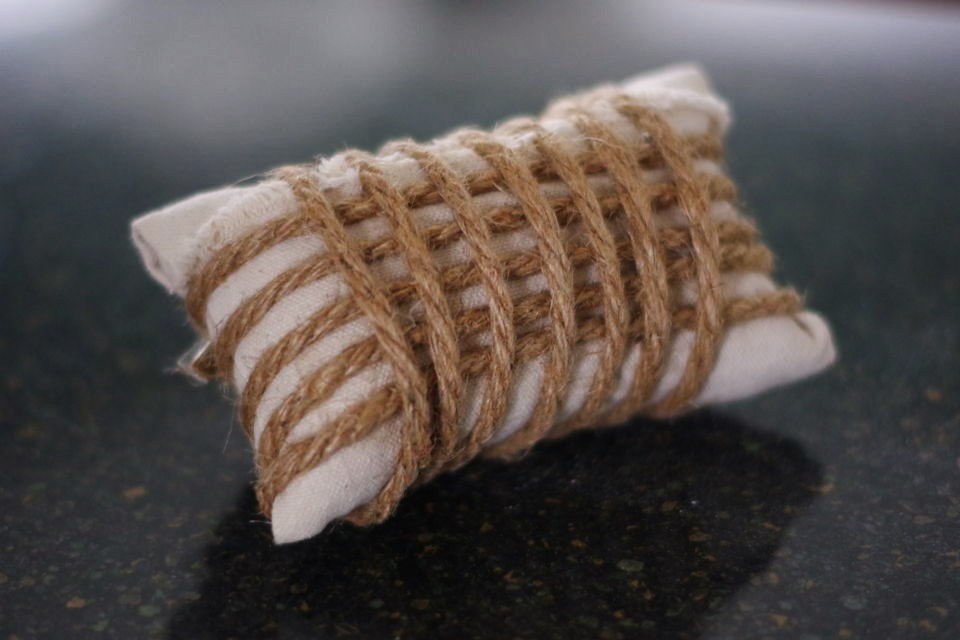
- 1:50 pm Shape each peace into a tight loaf without deflating the dough. Place each loaf top side down into a floured linen basket, or with a seam down onto a floured linen couche. Sprinkle with flour and cover with plastic wrap. Proof until the dough is well expended, about 3 hours.
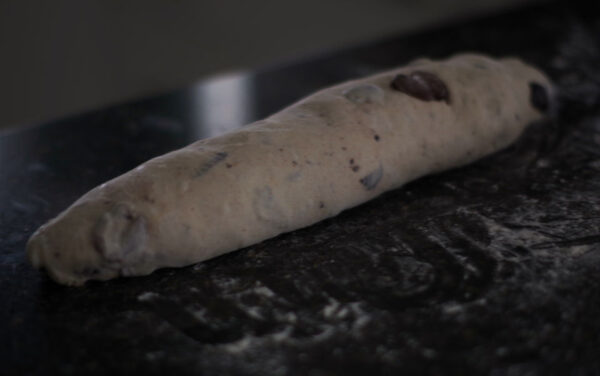
- 3:50 pm Preheat oven to 220ºC (425ºF), rack in the middle fitted with baking stone.
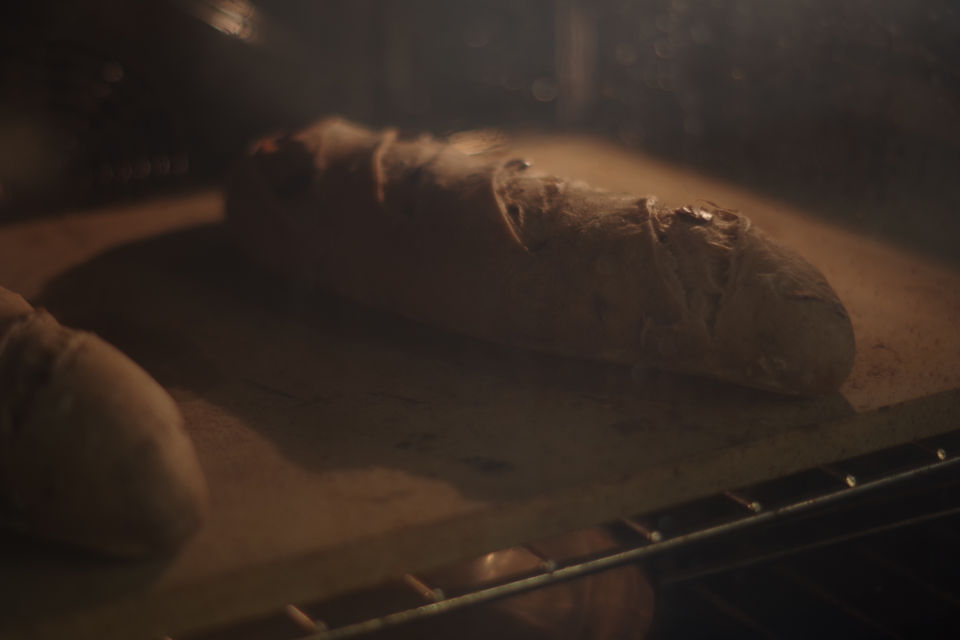
- 4:50 pm Use razor blade or sharp knife to cut each loaf, making several decisive cuts along the length of the loaf. Use dusted wooden board to transfer the loaves to the baking stone. Use water bottle to spray inside the oven and create steam.
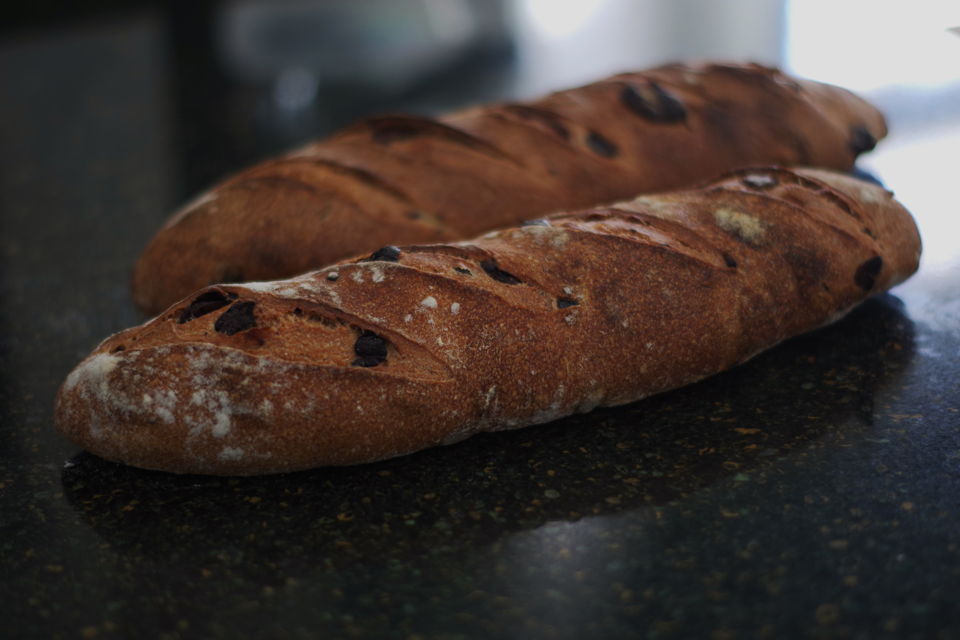
- Bake the breads until dark and evenly browned, 40-45 minutes. Rotate the breads halfway into the bake.
- 5:35 pm Transfer the loaves to the cooling rack and let cool completely.

No Comments